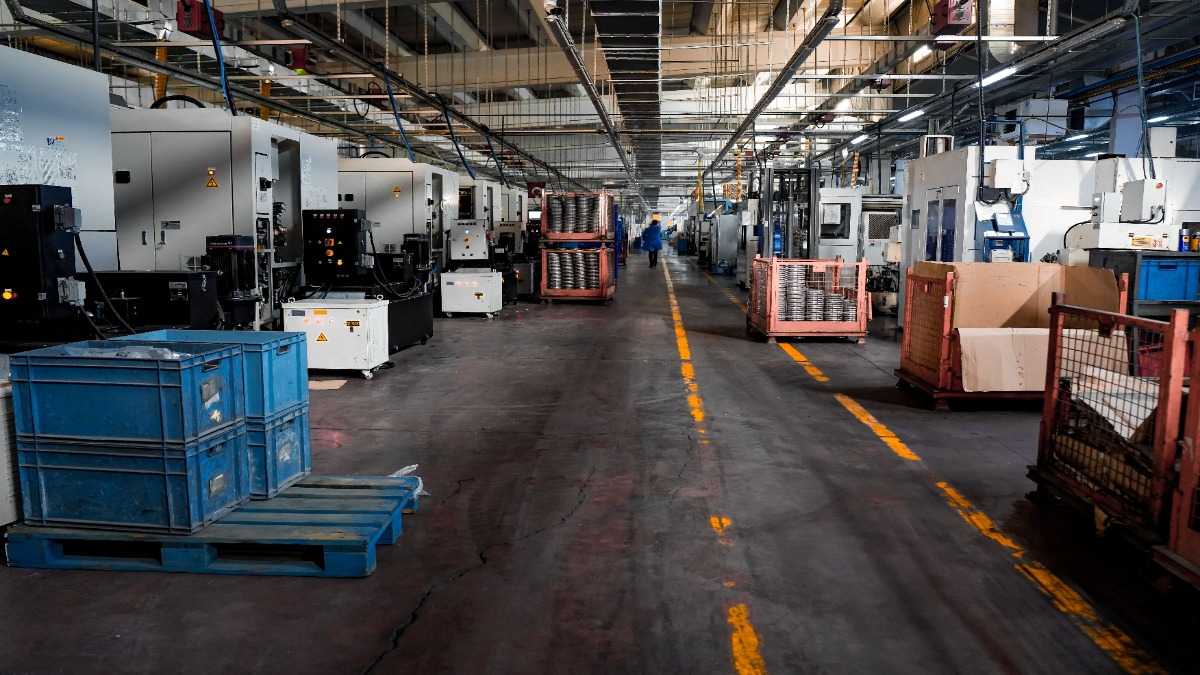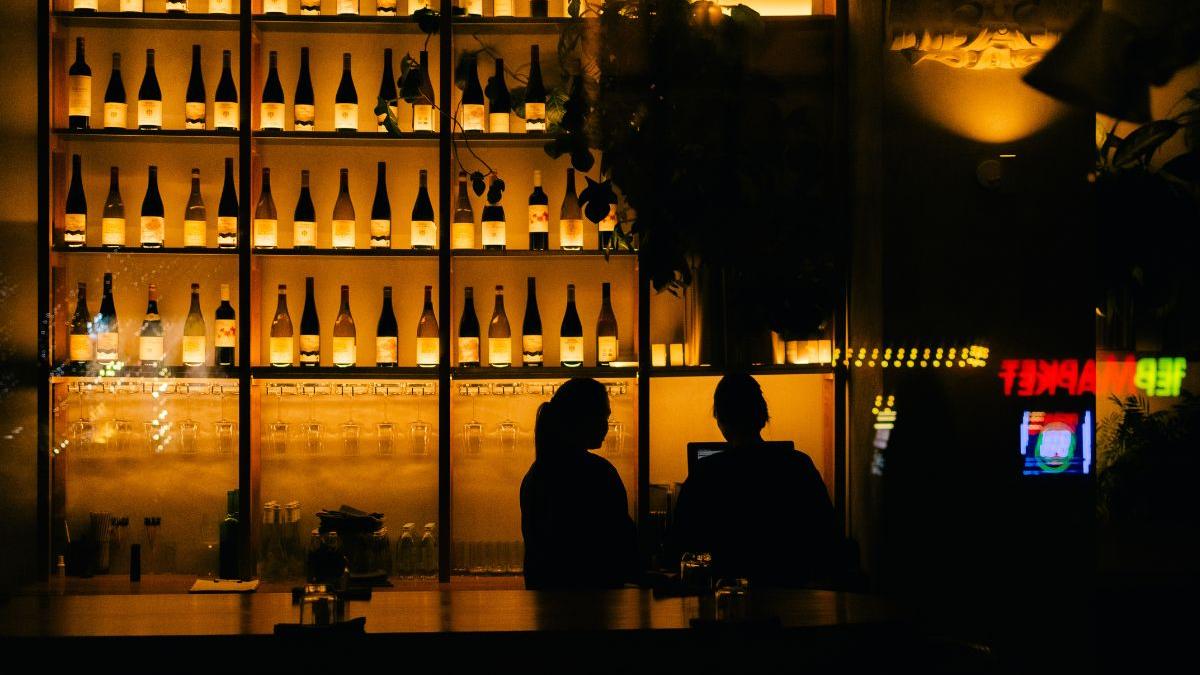
Bankruptcy filings in the U.S. spirits industry reached a new high in 2025. From popular whiskey brands to local distilleries, several producers were affected. The fallout is being felt most acutely by restaurant and bar operators, as cocktail menus shift and distributor agreements change with little warning.
The Rise of Distillery Bankruptcies
According to an analysis by OysterLink, a hospitality-focused job platform, 2025 was a forgettable year for U.S. distilleries. Devils River Whiskey, J.J. Pfister Distilling Company, Luca Mariano Distillery, LLC, and Alton Distillery were a few brands that entered bankruptcy last year.
These bankruptcy filings directly affect restaurant and bar operators across the U.S., including sudden changes to cocktail menus. Supplier relationships are disrupted, while regular guests may find favorite pours unexpectedly missing. All these factors force operators to rethink the way they source, price, and position alcoholic beverages.
The filings come as U.S. spirits supplier sales dipped to $37.2 billion in 2024, down from $37.7 billion the year before. According to the Distilled Spirits Council of the United States, the 4% decline was based on adjustment for inflation.
Factors Contributing to Distillery Challenges
The study also points to shifting consumer habits as a key driver of industry turbulence. Only 54% of adults in the country currently drink alcoholic beverages, which is the lowest level recorded by Gallup in roughly the past nine decades.
Exports have also declined, with total U.S. spirits exports falling 9% year over year. The export of American whiskey fell by -13%, cordials by -15%, brandy by -12%, and vodka by -14%.
An increase in inventory pressure is another contributing factor to the ongoing challenges. Since 2012, there has been a triple increase in the American whiskey inventories. As a result, American whiskey inventories reached approximately 1.5 billion proof gallons by the end of 2024.
The American Craft Spirits Association adds that the number of active U.S. craft distillers has fallen to 2,282. Employment in the craft spirits market decreased for the first time since the pandemic, with the total number of workers being 28,628.
Other than these reasons, trade and tariff-related troubles, particularly in Canada (reported exports falling by 85%) have added to the reduced international demand. As a result, producers are exposed to excess supply and tightening cash flow.
Impact on Restaurants and Bars
When a spirit’s brand collapses, the impact quickly reaches restaurant and bar operations. In many cases, cocktail menus must be reworked as standard pours disappear, while distributor contracts can change abruptly with little notice.
Guests are also suddenly informed regarding the disappearance of their favorite drink, which may affect the brand trust and ordering behavior.
“A single spirits bankruptcy can disrupt dozens of menu items across a restaurant group, especially when that brand is embedded as a standard pour,” said Milos Eric, co-founder and general manager of OysterLink. “Operators who treat liquor sourcing as static are now exposed to unnecessary risk.”
Strategic Recommendations for Operators
Industry experts recommend that operators identify cocktails and pours that rely on a single brand or distillery. This is because if a reliable spirits producer abruptly pauses or ends production or even enters bankruptcy, the signature and default drinks would be the first to break.
After this, the operators should test alternative distillery brands in advance so that the drinks can be changed during the sudden turbulence. Plus, the staff would not require re-training, menus need not be reprinted, and price points can be seamlessly managed. All these would eventually mean continuity regardless of the availability of the supplier.
Operators across the country should focus on having contacts with multiple producers, not just distributors. This is because if there is a popular drink that is supplied by different distributors, once the drink vanishes, the link with distributors would be of no use.
Instead, if the restaurants and bars reach out to different producers/distilleries, they can receive backup house spirits and whiskey pours even if a craft brand files for bankruptcy or shuts operations.
Agreements that tie an operator to only one producer without allowing substitutions lead to risks once the brand goes bankrupt or shipments face a delay. Restaurants and bars should instead ensure their contracts allow product replacement with similar options without penalties.
This approach minimizes retraining, avoids reprinting menus, and helps operators maintain consistent pricing. This is because it would help them avoid sudden cost increases or last-minute menu changes.
Focusing only on the price does not capture the full risk of stocking spirits. This is because American whiskey and other similar products face falling consumption, high inventories, and reduced exports. Operators across the U.S. should balance these with growing segments that have lower risks, such as lower-ABV spirits, ready-to-drink cocktails, and versatile base liquors, with the support of suppliers.
Restaurant and bar operators who plan for supply disruptions and expand both spirit categories and producers can maintain menus, control costs, and protect guest satisfaction.