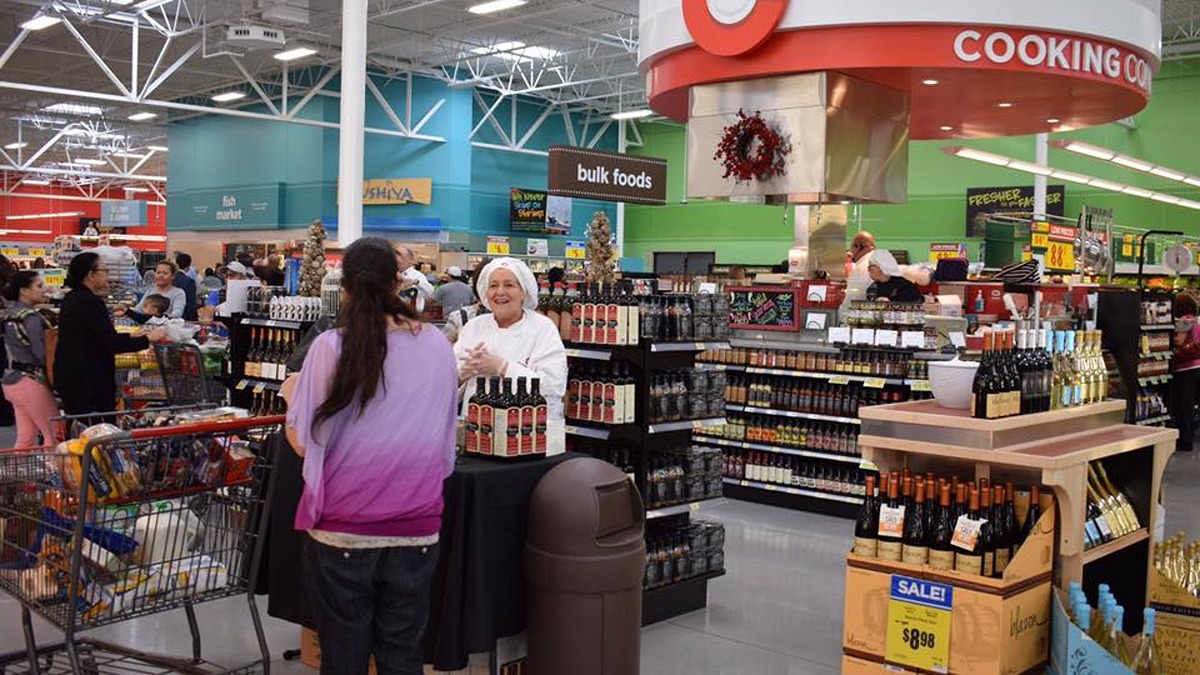
Dunnhumby’s ninth annual U.S. grocery ranking is out, and this time, regional stores have taken the lead. As the economy remains uncertain, shoppers are focusing on low prices, deals, and promotions. The ranking explains why Value Core has become the game-changer for the rankings this year.
H-E-B Ranks as No. 1 Grocery Store in the U.S., Again
Grocery shopping is now one of the most carefully planned monthly household expenses. As the economy continues to take a harsh toll on consumer spending, it’s the little details that matter. Even amid economic pressures, some grocery stores have helped shoppers save money.
Dunnhumby’s Retailer Preference Index (RPI) has placed Texas-based grocery store H-E-B at the top for this reason. This is the fourth consecutive year that the retailer has topped the ranking and the fifth time in nine years. The nationwide study examines the approximately $1 trillion U.S. grocery market.
Dunnhumby RPI is the only approach to ranking grocers that combines financial results with customer perception. According to the results this year, the top three spots on the ranking have been taken by regional grocery stores. The ranking highlights why these regional stores are outperforming national chains.
What Affects the Ranking
There are five key factors that affected the rankings this year. These factors represent how much value shoppers feel they get and how well retailers perform financially. The five pillars across which retailers are evaluated include:
- Price, Promotions, and Rewards: Affordability has been the biggest driver of this ranking. It is through discounts, deals, and loyalty programs that they feel more affordable to consumers. It accounts for 41% of a retailer’s long-term success.
- Quality: While quality is not the first priority among shoppers, it is still of importance. Product quality and freshness grow the trust shoppers have in store brands.
- Speed and Convenience: In-store convenience has become less important to shoppers in recent years. It now holds 8% of a retailer’s long-term success.
- Operations: It is the availability of products, store cleanliness, and overall execution. Over the years, shoppers have become less driven by this, holding only 7% of a retailers’ long-term success.
- Digital Experience: While digital experience has picked up in recent years, consumers are now leaning more towards price and quality. This is why ordering, delivery, and digital tools now matter less than before.
Some retailers have lost shopper loyalty amid high-profile mergers and legal disputes. Public disputes over pricing have also been noticed by shoppers, which has led to many grocery retailers losing customers.
The data shows that Americans are shopping with the intention of getting high-quality products while saving money. Many shoppers are even visiting multiple stores to find both quality and savings.
Top Ten Grocery Stores in the U.S.
The RPI brings a mix of best-in-class regional banners and nonconventional national banners. The top ten in the ninth annual Dunnhumby rankings of U.S. grocery stores are as follows:
- H-E-B
- Market Basket
- Woodman’s
- Costco
- Aldi
- WinCo Foods
- Trader Joe’s
- Amazon/Amazon Fresh
- Wegmans
- ShopRite
The top three spots are held by regional stores that prioritize value for shoppers. This shift in rankings also reflects where Americans are choosing to shop.
For the second time, Market Basket has ranked second in the list. It is the first year Woodman’s has entered the RPI ranking and has already been placed third.
Impact of Store Loyalty Points on Rankings
Dunnhumby is a customer data science company that has published its RPI annually since 2017. It ranks grocery retailers by analyzing consumer and financial data. It examines how shoppers feel about where they buy their groceries from and why.
A store ranks higher if the consumers feel that the loyalty points have saved them real money. The company sees how easy the program is to understand and use. It also sees whether loyalty impacts repeat shopping and spending. Simple, generous, and easy-to-redeem loyalty programs rank highest with shoppers.
The ninth edition of this ranking makes it clear that value is now the defining factor in where Americans choose to shop. As more households become price-conscious, regional grocers that deliver low prices and reliable quality are gaining ground over national chains.