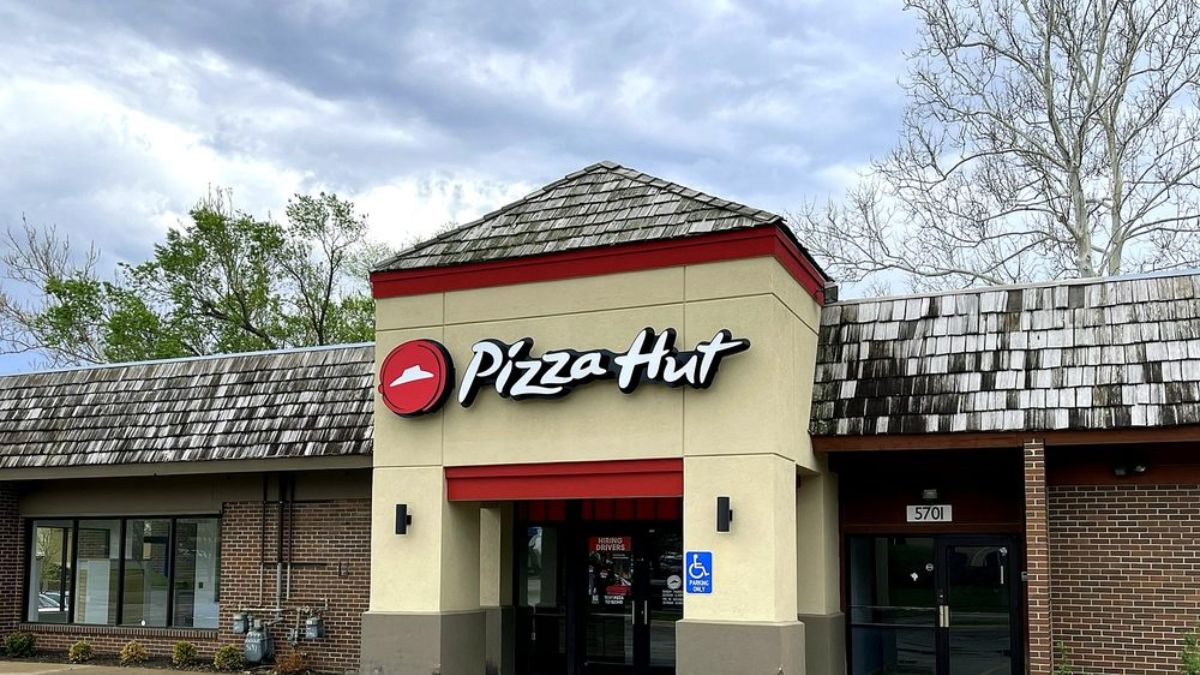
Pizza Hut, owned by Yum! Brands, is making strategic changes to improve its business. The brand announced plans to close about 250 underperforming U.S. locations in the first half of 2026. The company cited years of declining U.S. traffic and shrinking margins during its fourth-quarter 2025 earnings call.
Pizza Hut to Close Hundreds of Underperforming U.S. Locations in 2026
Pizza Hut, a global pizza chain owned by Yum! Brands is undergoing significant changes as part of efforts to improve its performance. The pizza chain plans to shut down hundreds of restaurants across the United States.
The 250 closing locations represent roughly 3% of Pizza Hut’s U.S. restaurants. The company did not share a list of the affected locations.
Yum! Brands announced it had begun a formal review of strategic options for Pizza Hut in November 2025. The brand also hinted at a possible sale of the franchise.
Recently, the company shared the fourth-quarter 2025 earnings call, and the closures are part of a broader “strategic review” of the Pizza Hut brand.
The company acknowledged Pizza Hut’s strong global brand equity in the November report. However, its current structure has not kept pace with evolving consumer preferences, digital competition, and delivery-focused rivals.
Key Takeaways From Yum! Brands’ Latest Earnings Releases
According to a CNN report, Pizza Hut has struggled to compete with rivals. Pizza Hut operates nearly 20,000 locations across more than 100 countries, but its heavy reliance on the U.S. market means that domestic weakness strongly affects overall performance.
The chain reported another weak quarter, with U.S. same-store sales down 3% and nearly 5% lower for the full year.
In contrast, Taco Bell delivered strong results. Same-store sales jumped 7% for the quarter. The growth was boosted by a steady stream of new menu items that appealed to younger customers.
Yum! Brands owned by KFC also showed modest improvement in the U.S., with same-store sales rising 1%.
The closures of Pizza Hut’s U.S. restaurants reflect an effort to address long-standing performance challenges in a competitive market.