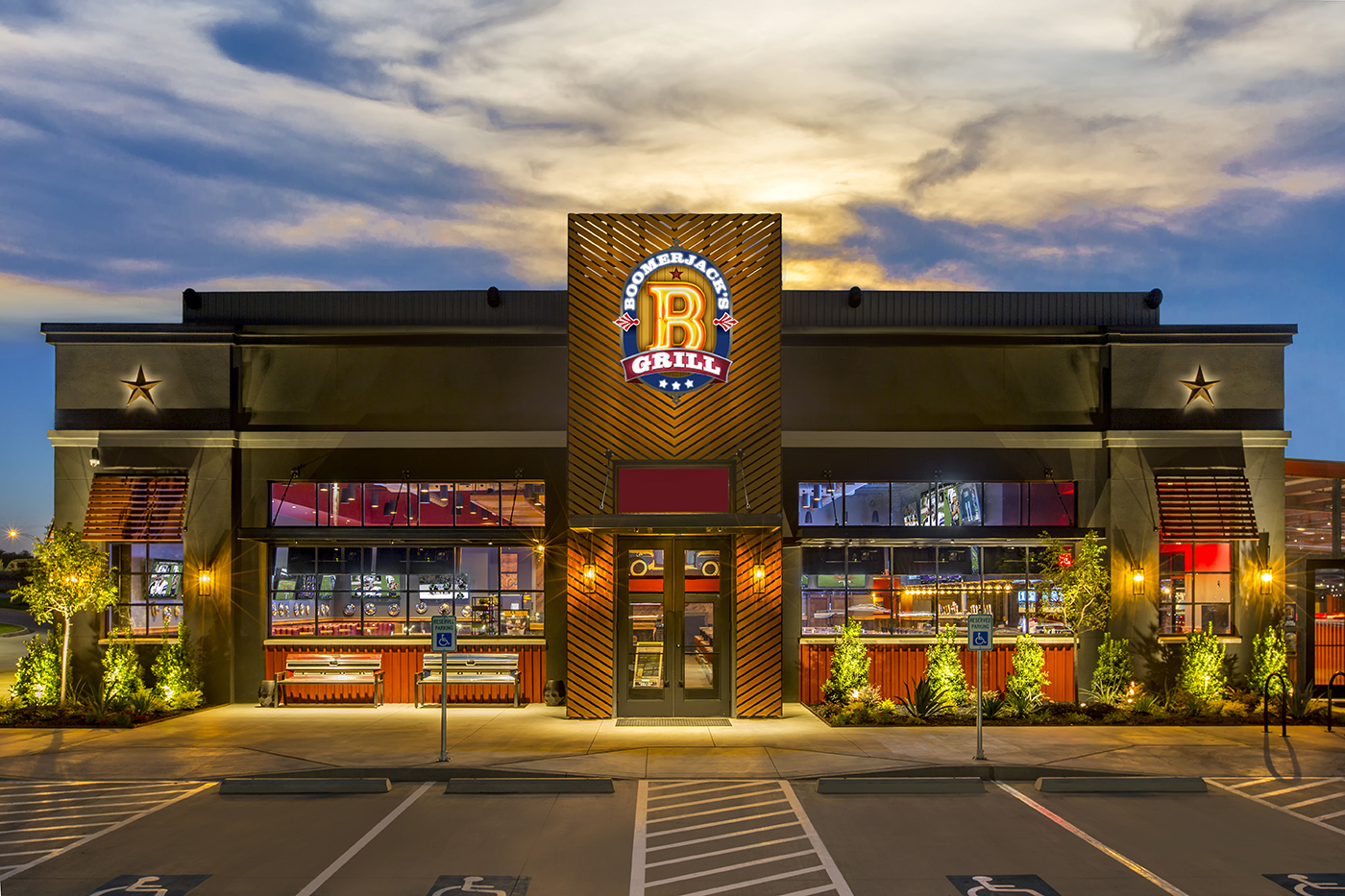
When Ryan Kelley steps into a BoomerJack’s Grill, he sees a third space filled with patrons. Some use the sports bar as a social gathering place. Others settle in to cheer on their favorite team. It’s a point of pride for the On Deck Concepts chief operations officer, but over the years, he’s noticed something changing.
“After walking around and talking to a few people, you realize 65% are locals, but 35% are from outside of Dallas,” he says. The observation reflects an influx of transplants that have reshaped the city’s customer base. It’s only one of the factors that operators are navigating.
Dallas’ restaurant industry is growing rapidly alongside its population, as national and international brands enter the market and established operators expand their footprints. Amid the growth, challenges have arisen, from rising costs and labor shortages to changing consumer habits and the demand for experiences that gives diners a reason to come back.
The Dallas Boom
Founded in San José del Cabo in Mexico in 2015, La Lupita Taco y Mezcal quickly established itself as a Baja California Sur known for its open-fire coastal Mexican cuisine and atmosphere. The hospitality group opened its first U.S. outpost in Dallas’ Design District on June 2, 2026. Its second U.S. location will open in Scottsdale, Arizona.
“We looked all over from Vegas to Chicago, and then we found the space in Dallas and it was perfect,” Liliana Romero, Director of VIP and Corporate Development, ICP Group & La Lupita Taco y Mezcal, says.
La Lupita occupies the former El Bolero space spanning two floors, with a spacious patio. The Dallas location closely mirrors the San José del Cabo original, from its design to its use of non-GMO ingredients. The restaurant is one of several out-of-market concepts entering Dallas. Canada’s Joey Restaurants now has two Dallas locations, while New York’s Little Ruby and Prince Street Pizza have also arrived.
For established local operators, growth is requiring a more strategic approach.
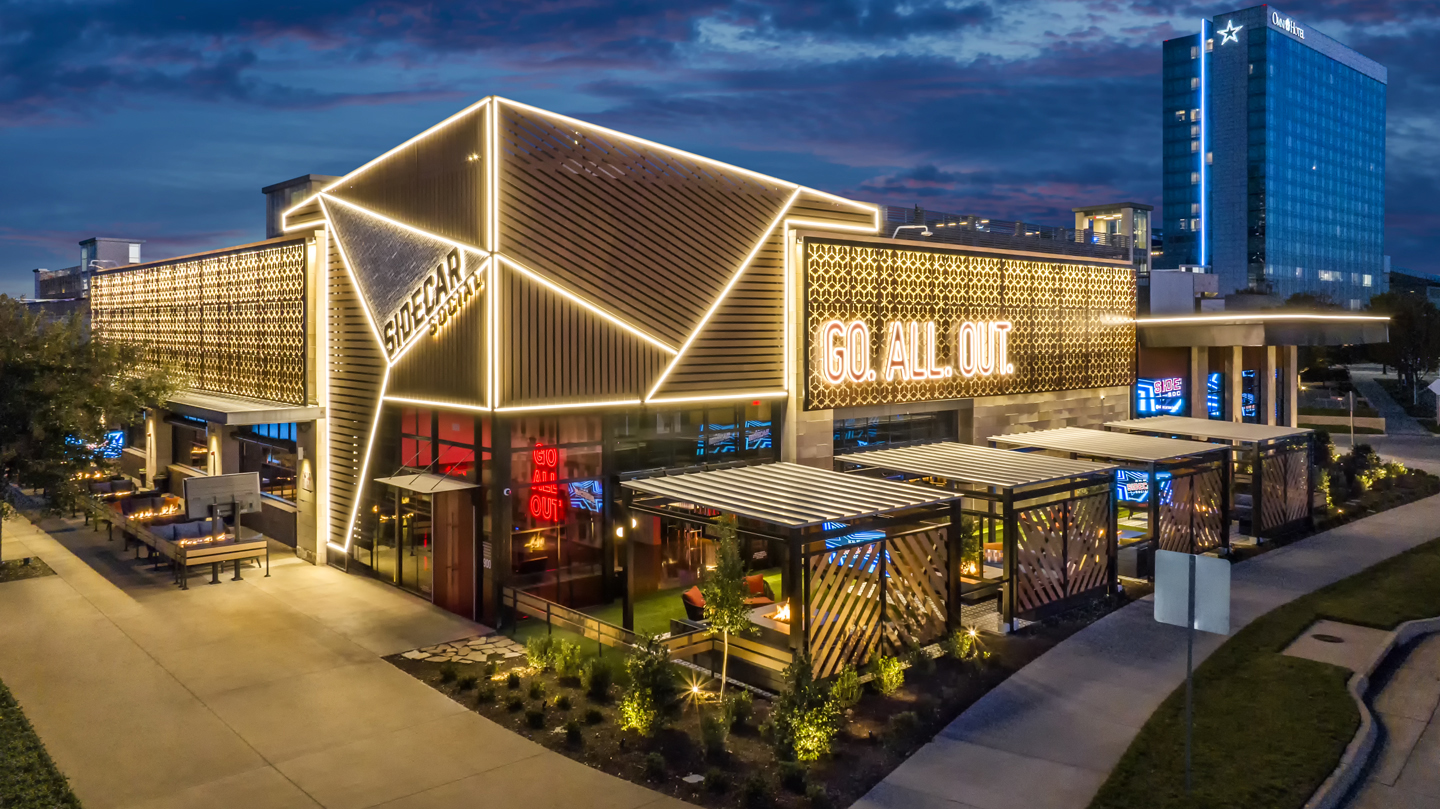
Founded in 2002, On Deck Concepts is best known for BoomerJack’s and also operates Bedford Ice House and Sidecar Social. The company has focused its expansion on suburban cities such as Mansfield, Plano, and Lewisville, while being mindful of placing locations close enough to serve growing populations without cannibalizing sales.
Opening a restaurant in Dallas can come with obstacles beyond finding the right location.
Growing Pains
La Lupita’s opening was delayed by permitting, while importing Oaxacan corn required FDA approval. For a restaurant built around the flavors and ingredients of coastal Mexico, maintaining that authenticity is a vital part of the experience.
“Our biggest issue is finding workers,” says Liliana Romero, investor relations and project manager for La Lupita Hospitality Group.
Keeping employees is equally as important.
“Our first guest of the day, every day, is back of the house team,” Kelley says, recalling advice from a mentor that became part of his management philosophy.
On Deck Concepts employs more than 1,700 individuals, utilizing employee referrals and incentives to sustain its workforce. The company hosts events throughout the year, including kickball and softball tournaments, and offers employee perks such as tickets to sporting events and concerts.
“We have staff that are over 100 miles apart and they know each other from the events we put on,” Kelley says. “Treat the employees right, they will treat the clients right.”
The approach’s success is evident in long-term retention. The average tenure of an On Deck Concepts employee is 6 years, and 40% of promotions are internal. Kelley himself has been with the company for 13 years.
Times Are Changing
An evolving consumer base is transforming the business beyond staffing.
Third-party delivery is one example. La Lupita is considering Uber Eats and DoorDash, but remains reluctant because its food does not necessarily travel well.
Delivery fees are another consideration for restaurants already navigating slim margins.
DoorDash and UberEats’ commission rates start at 15% and 20%, respectively. Operators have to weigh consumer convenience against financial impact and the final guest experience.
Platforms such as inKind work with operators to drive traffic through dining rewards while streamlining the payment process. The application is used by Dallas establishments like Café Olivia, Night Rooster and Toca Madera. The platform uses geolocation technology to recommend restaurants to diners, offering coupons and up to 20% in cash-back rewards on tabs paid through the app. According to an inKind case study, 39% of inKind users Toca Madera became returning clients.
Consumer drinking habits have changed, too. According to Bloomberg, alcohol stocks have endured a $830 billion decline over the last four years. While liquor sales have taken a hit, ready-to-drink beverages such as High Noon are seeing growth. At La Lupita, the demand for mocktails has promoted the group to add them to its menu.
On Deck Concepts takes a different approach to drive traffic, using promos such as $2 beers during slower periods.
Technology is etching its way into the equation. Kelley and Romero see opportunity for AI to streamline administrative tasks, but there is no replacing the human element of hospitality. Human connection is becoming more important as automation takes over the industry.
More Than a Meal
At Boomerjack’s, the restaurant is multifunctional. It’s an office, sports bar, family gathering place and neighborhood hang all at the same time.
“Each location has about 10 people that office out of it three to four days a week,” Kelley says.
Guests arrive around opening, order lunch and pull out their laptops. Later, they close out the workday with a beer or glass of wine served by their favorite bartender. Regulars are known by name. For some, it is home away from home.
Other Dallas restaurants are approaching the same idea through spectacle and programming, from Western themes and trivia nights to tasting menus and one-time events.
For La Lupita, the experience is rooted in place. The Dallas location was designed to evoke the feeling of the original, giving guests familiar with the brand a taste of Baja California Sur without leaving the city.
The goal is similar for both established concepts and newcomers: create a reason to be there.
As Dallas continues to grow, brands and restaurants must balance expansion while wrestling with the realities of running a hospitality business. Technology helps streamline operations, but building a restaurant that people want to come back to boils down to the basics: making people feel welcome.
“It’s all about finding a balance between taking care of the guests, building a sense of community, while managing the financial side of the business,” Kelley says.