San Antonio is set to welcome a new Nigerian restaurant as Oringo Africana prepares to open its first brick-and-mortar location, bringing authentic West African dishes, dine-in service and a welcoming space designed to introduce more diners to Nigerian cuisine.
The restaurant is owned by Ugochukwu Ijoma, who is preparing to open Oringo Africana in San Antonio with a target opening date of September 2026. It will be located at 1701 E. Houston St., San Antonio, TX 78202.
Ijoma spoke with WhatNow San Antonio about his journey from Nigeria to the United States, the challenges of building his food business and his plans for Oringo Africana.
For Ijoma, the restaurant concept began long before he arrived in the United States. He said the name, business idea and even the location were part of a vision he had the morning before boarding his flight to the U.S. in 2015.
However, the idea would take several years to become reality.
After working for Tesla for nearly seven years, Ijoma eventually moved to Texas and began looking for work. When that proved difficult, he turned to food, initially selling Nigerian dishes to customers from home.
“I found out I can sell from home, and that’s how the whole thing started,” Ijoma said.
The home-based operation eventually developed a loyal customer base. Customers began seeking out his food, and word spread throughout the community.
Ijoma said the experience also taught him the importance of listening to customers and adapting his menu to accommodate different dietary preferences.
While traditional Nigerian cuisine often centres around meat and seafood, he said he wanted Oringo Africana to welcome a wider audience, including vegetarians, vegans and customers with seafood or shellfish allergies.
“I was able to create my menu so that I can accommodate both the vegans, people that don’t eat meat, people that eat meat, people that have seafood allergies, shellfish, whatever allergy you have, I can accommodate that,” he said.
The growing demand eventually convinced Ijoma that it was time to move beyond selling food from home and establish a permanent restaurant.
He said the business has generated thousands of online searches and calls from customers interested in his food.
“Nobody ever complained about being sick after eating my food,” Ijoma said. “All I get is just” positive feedback from customers.
He also said he has worked to make Nigerian food more accessible by developing a process that allows dishes to be prepared more efficiently while maintaining their traditional flavours.
Ijoma chose San Antonio in part because of the city’s tourism industry and its proximity to downtown.
He said San Antonio attracts millions of visitors each year, making the city an ideal location for a restaurant that he hopes can introduce Nigerian cuisine to both locals and tourists.
The new restaurant will offer something customers did not have when ordering from Ijoma’s previous home-based operation: a place to sit down, eat and experience Nigerian culture.
“Nigerian food is something you experience, and you can’t experience something when you’re snacking on it or when you’re in the order to grab it,” he said.
At Oringo Africana, diners will be able to enjoy their meals in a dedicated space while listening to African music and interacting with friends and family.
Ijoma described the atmosphere he wants to create as a welcoming, family-oriented environment where guests can enjoy their meals without feeling rushed.
The restaurant is still undergoing work, and Ijoma said he plans to continue upgrading the space over time. Within the next six months, he hopes to further transform the restaurant into a more polished, fine-dining-style destination.
The space is large enough to accommodate approximately 150 guests at a time.
Traditional Nigerian cuisine will remain at the heart of Oringo Africana’s menu.
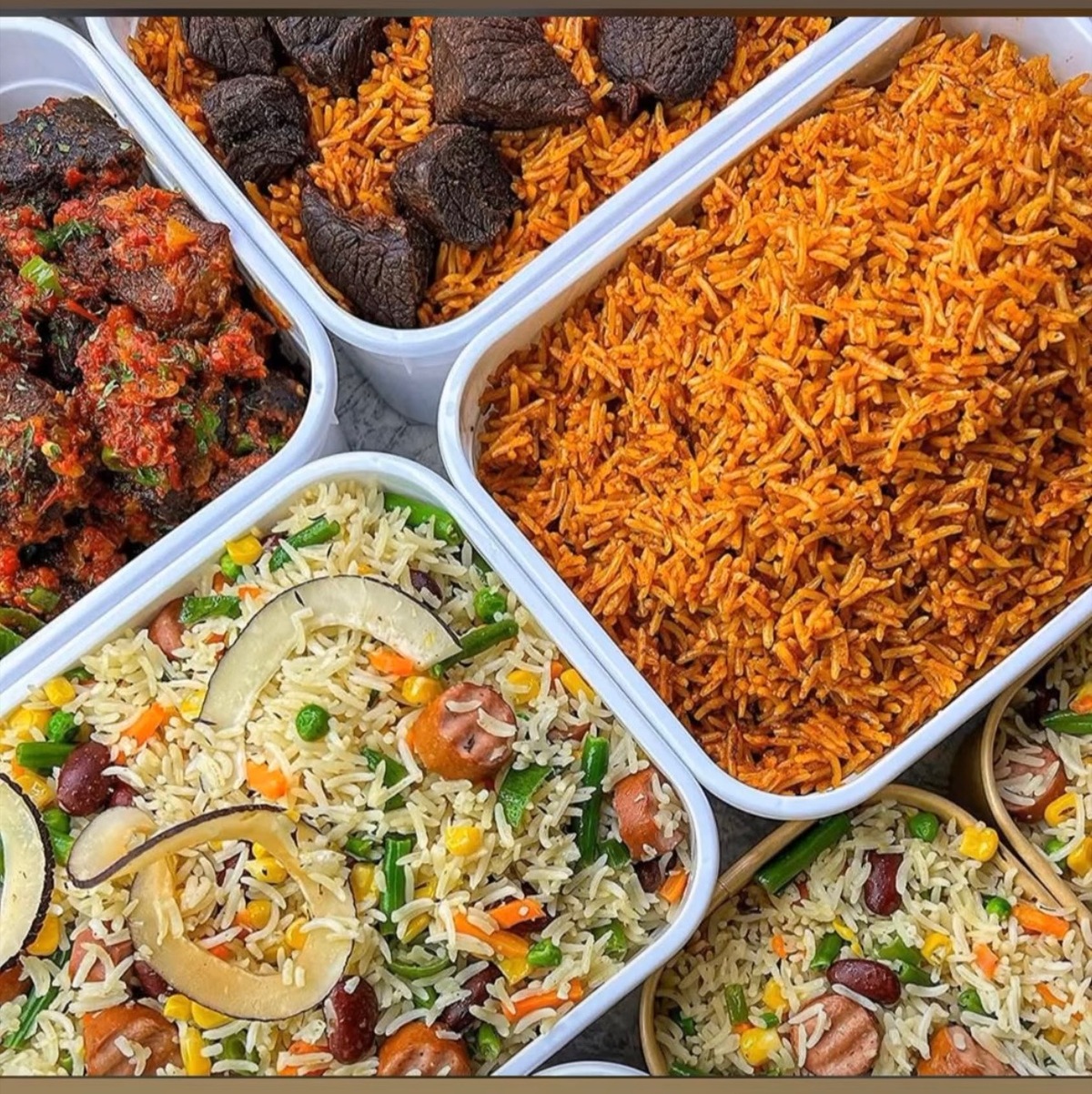
Among the dishes Ijoma is most excited to introduce are egusi soup, okra soup, jollof rice, plantains and authentic Nigerian suya.
Egusi soup is particularly important to the concept because Ijoma said it has been one of his best-selling dishes.
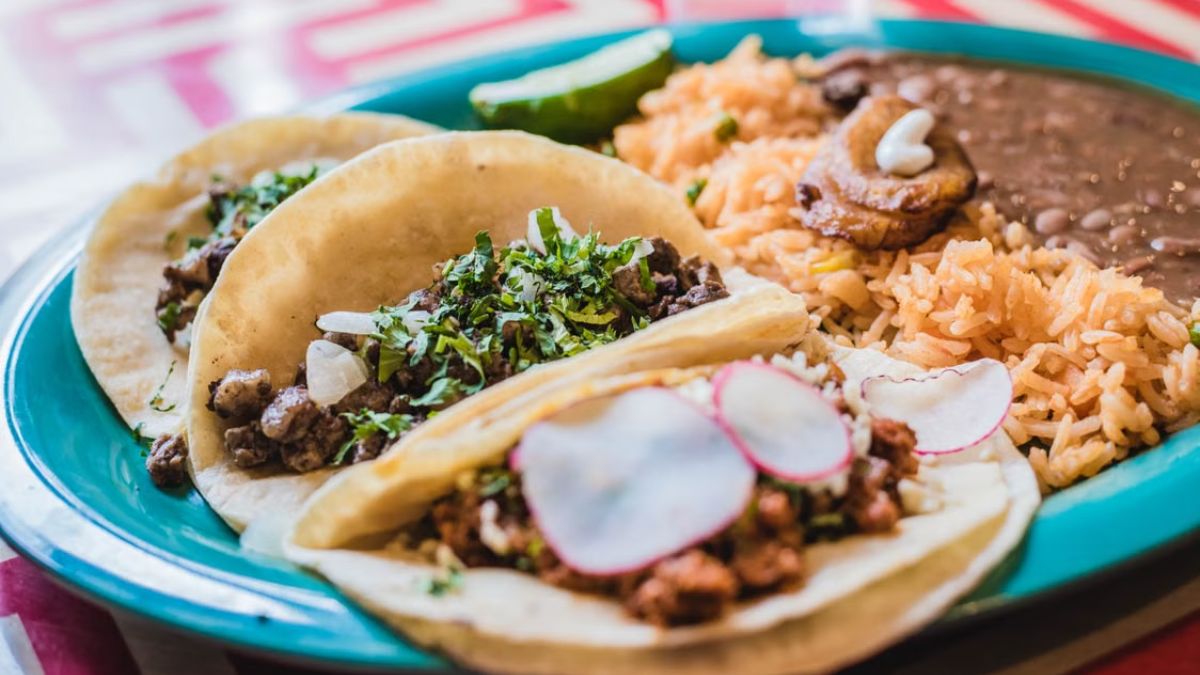
He also plans to introduce suya tacos, a fusion creation inspired by San Antonio’s strong Mexican and Latino culinary influences.
“I was able to, like, okay, this time I create something different close to what it has,” Ijoma said.
The menu will also include a variety of Nigerian swallows, which are traditionally served alongside soups. Ijoma explained that while the term “fufu” is often used broadly in the U.S., Nigerian cuisine includes several different types, including cassava fufu, pounded yam and semolina-based options.
Jollof rice will also have a prominent place on the menu. Ijoma described it as an African staple and an essential part of Nigerian celebrations.
The restaurant will also feature okazi soup, a dish made with okazi leaves that Ijoma described as one of his personal favourites. The dish incorporates ingredients including fish, stockfish and shrimp.
While the menu will remain primarily focused on authentic Nigerian cuisine, Ijoma said he is exploring additional dishes and fusion offerings for the future.
One of Ijoma’s goals is to challenge perceptions that Nigerian food is difficult for first-time diners to enjoy.
He said some customers initially told him they had tried Nigerian food elsewhere and did not like it. After trying his dishes, however, many returned as repeat customers.
“I changed that whole perspective,” he said.
Ijoma also places significant importance on the ingredients used in his cooking. He views food as more than simply something to eat and wants guests to understand the nutritional value behind traditional Nigerian dishes.
For customers who have never tried Nigerian food, Ijoma does not want to limit them to just one dish.
Instead, he encourages diners to explore the menu and experience different flavours, from egusi and okra soups to jollof rice and other Nigerian favourites.
His goal is ultimately to ensure guests feel that their time and money were well spent.
“I wanted to get the value for their money, their time to spend, and I want them coming back,” he said.
The journey to Oringo Africana has not been without challenges.
Ijoma’s home-based operation eventually faced complaints and intervention from local authorities, forcing the business to stop operating in April 2026.
Rather than abandoning the concept, he decided the experience signalled it was time to pursue a permanent restaurant.
The support of his customers also played an important role.
Ijoma recalled one customer, whom he identified as Carlos, who continued supporting the business even when orders were backed up and waiting times were long.
He also credited a local five-star hotel and restaurant for helping provide additional exposure for his food by featuring it on its page.
Those experiences reinforced Ijoma’s belief that there was demand for a dedicated Nigerian restaurant in San Antonio.
Oringo Africana is being planned as more than a single San Antonio restaurant.
Ijoma said he hopes to eventually bring the concept to cities across the country, with plans for locations in Houston, Dallas and New York within the next two years.
For now, however, the focus is on opening the San Antonio location and establishing Oringo Africana as a destination for Nigerian food and culture.
The restaurant is expected to offer dine-in, takeout, catering and delivery, giving customers multiple ways to experience the menu.
Ijoma also plans to continue developing the menu after opening and introduce additional dishes over time.
With its focus on traditional Nigerian cuisine, accommodating dietary preferences and creating a space where guests can experience African food and music, Oringo Africana aims to give San Antonio diners a new way to discover West African cuisine.
The restaurant is currently targeting a September 5, 2026 opening, pending final preparations.