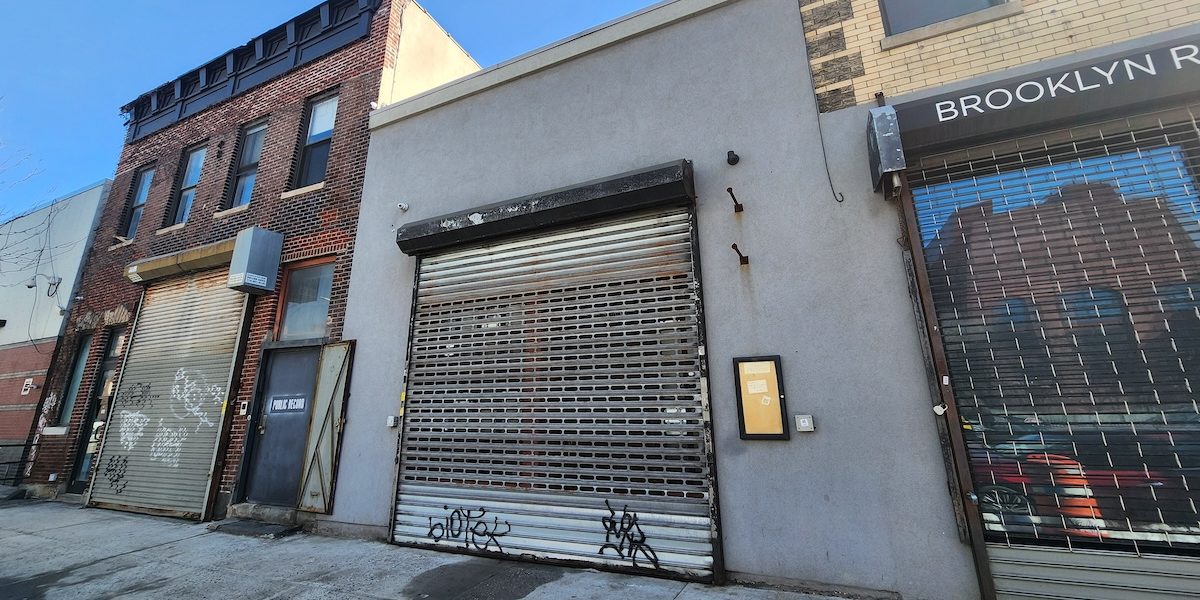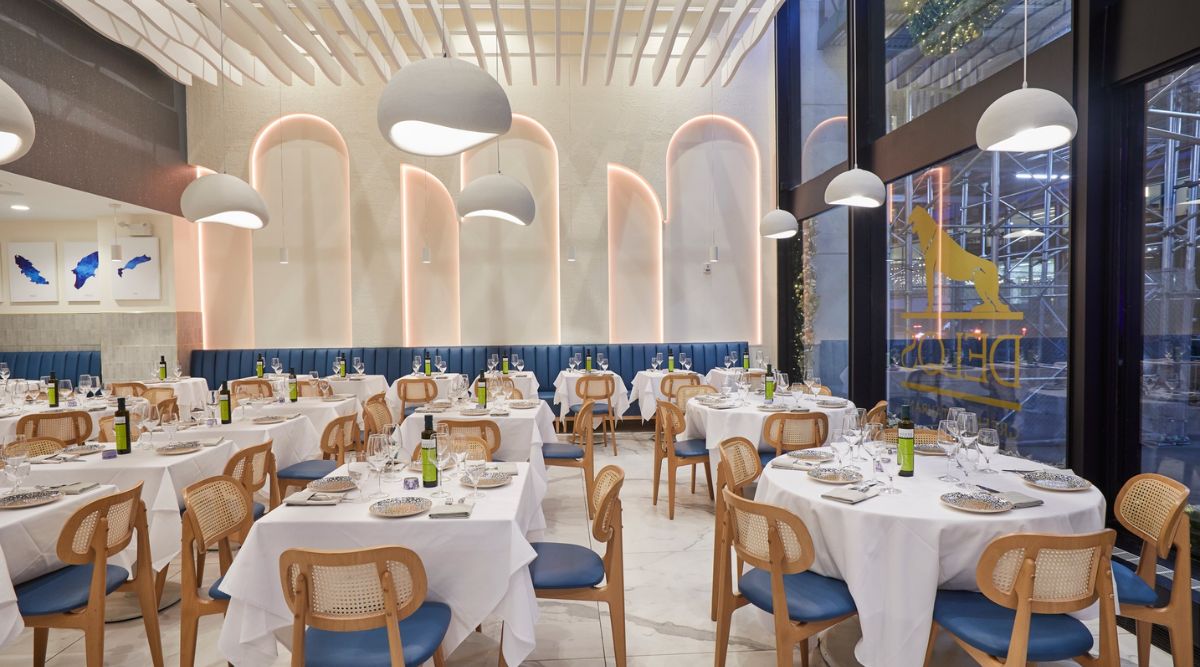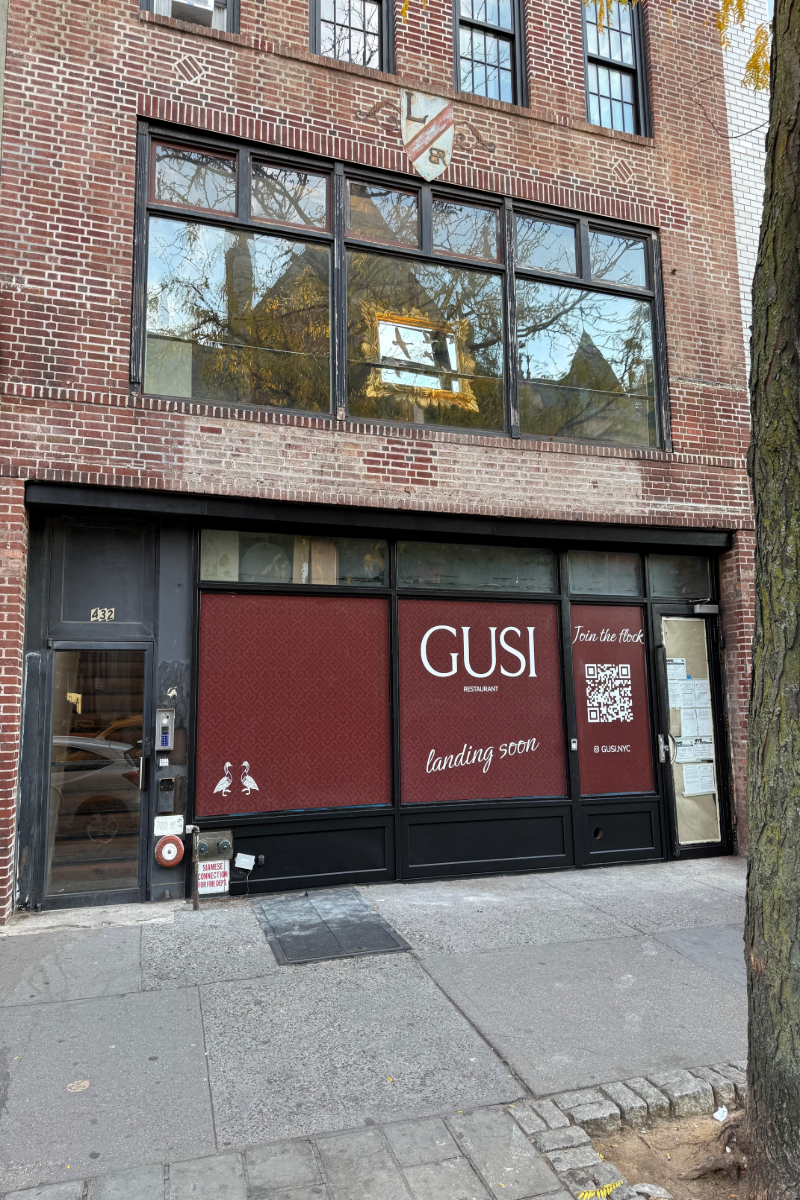
Opening in January 2026 at 432 Sixth Avenue, Gusi will introduce a refined interpretation of Eastern European cuisine to the heart of Greenwich Village. Named after the Slavic word for “geese,” GUSI draws inspiration from the journeys of migratory birds, a symbol of travel, belonging, and homecoming, and pays homage to the neighborhood’s enduring legacy as a cultural crossroads for generations of immigrants, artists, and dreamers. Gusi spans two stories, with an elegant bar and dining room on the ground floor, while the second level offers a cozy, intimate setting with views of the iconic Jefferson Market Library, a National Historic Landmark.
Founded by husband-and-wife team Boris Artemyev and Elena Melnikova, both longtime veterans of New York’s restaurant scene, Gusi is a deeply personal project and the realization of their American dream. They are joined by Konstantin Vishnikin, hospitality consultant overseeing design, branding, and service training. Together, the team brings decades of experience and a shared vision for creating a space where Eastern European heritage, exceptional cuisine, and warm, intuitive service come together.
New York is home to only a handful of restaurants dedicated to Eastern European cuisine. Gusi adds a new voice to that conversation, one rooted in tradition yet shaped by a contemporary point of view, with interpretations that feel both respectful and unexpected. The restaurant’s guiding symbol, the goose, serves as a metaphor for this approach, carrying bold, layered flavors across borders and regions, much like the cuisine itself.
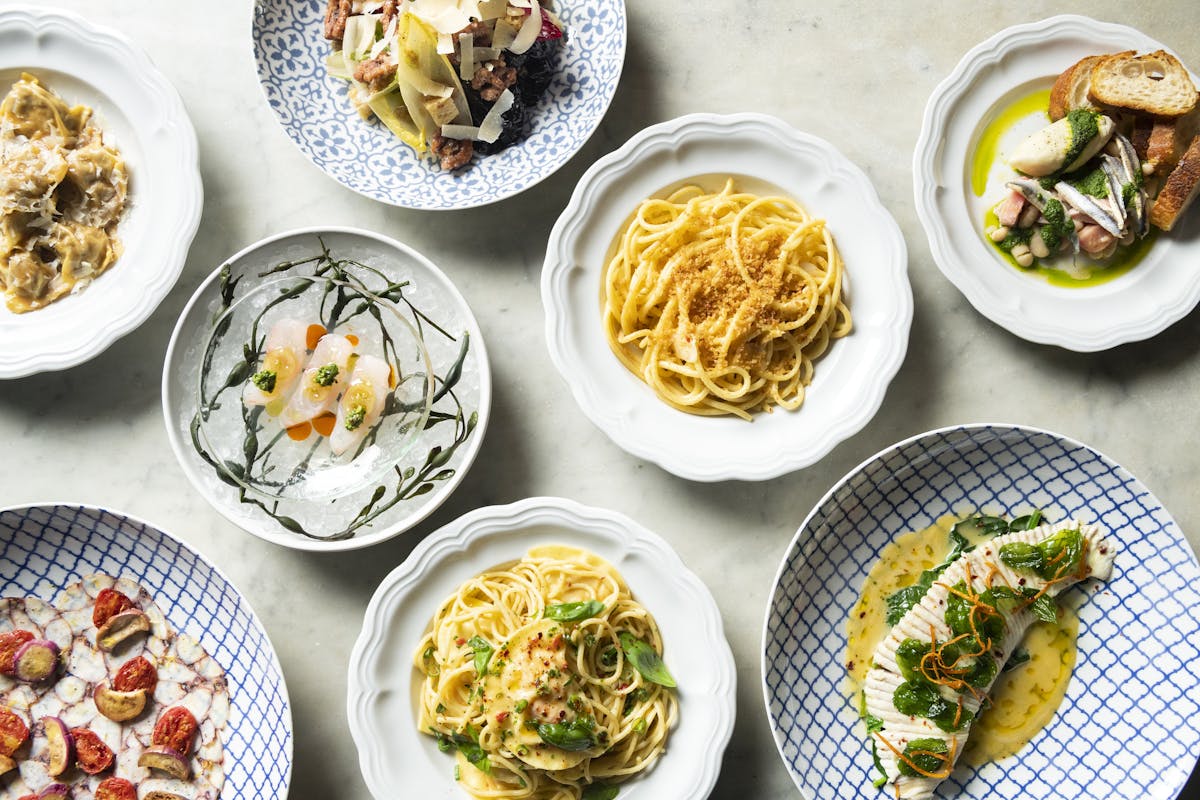
Take borscht which is often reduced to a single idea, beet soup with beef or pork, it is in reality one of Eastern Europe’s most regionally diverse dishes. While Gusi honors the classic preparation, the menu also explores its many expressions, including duck borscht, a Lenten version enriched with porcini mushrooms, beef and bean borscht, spicy Gypsy style iterations, and versions deepened with smoked meats, each reflecting a different culinary lineage.
Pierogi receives a similarly thoughtful treatment. In New York, they are most commonly encountered as short crust or dough-based dumplings. Gusi introduces a lesser known but deeply rooted tradition, pierogi made with puff pastry, resulting in a lighter, flakier texture that brings a new dimension to the dish while remaining true to its origins. Dumplings, known as pelmeni and by many other names across the region, further expand the menu’s range. Alongside classic fillings of beef and pork, or beef, pork, and veal, Gusi broadens the vocabulary with options such as elk, buffalo, goose, and a Mediterranean influenced version finished with tahini sauce. This is not a departure, but a reflection of history. Eastern European cuisine has long been shaped by neighboring cultures, trade routes, and shared borders, with Mediterranean influences woven naturally into its evolution. In addition, Gusi will feature an array of house-pickled vegetables, including cucumbers, cabbage, tomatoes, cauliflower, carrots, red onions, and peppers.
Deeply rooted in history, Eastern European cuisine remains relatively underrepresented in New York. At Gusi, it is approached through a modern lens, with an emphasis on regional diversity, time honored techniques, and the influences that have shaped the cuisine over generations.
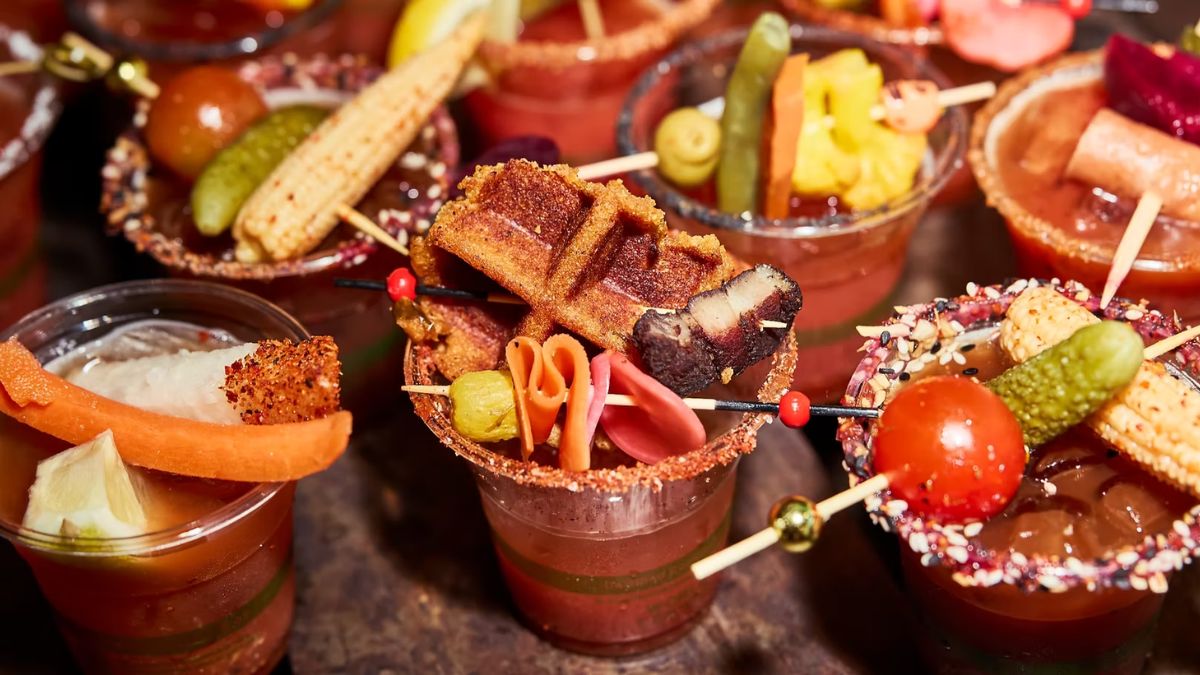
Gusi’s cocktail program is designed to awaken something deeply familiar. In a city full of inventive bars, Gusi stands apart by drawing from flavors that shaped its team long before “mixology” entered their vocabulary. Each drink begins with memories: childhood kitchens, changing seasons, time spent outdoors, family rituals, and the small tastes that linger across generations.
Pine cone infusions recall summers spent climbing trees. Cornelian cherry liqueur evokes grandmothers’ compotes. Tomato infusions channel the brightness of garden lunches. Boiled condensed milk becomes a grown-up nod to a beloved childhood treat. Every ingredient is natural and minimally handled, crafted without commercial shortcuts to honor the purity of memory.
Seasonality guides the menu, with cocktails shifting as the year turns, echoing the way those early flavors once marked time. Some are bright and playful, others deep and wintry, all rooted in a sense of place.
Gusi’s interiors are designed as a journey that unfolds across two distinct moods. The space uses texture, light and cultural moments rooted in memory to guide guests from a grounded, warm and tactile first floor to an airy and refined second floor. Every detail, from handcrafted textiles to vintage mirrors and soft gray green walls, reflects the restaurant’s core purpose to create a place where meaning and comfort stay at the center of the experience and where every guest feels subtly at home:
- Design Vision: “Two Worlds, One Story” – Gusi’s design is built on a simple but powerful idea: that a restaurant can hold many meanings at once. The name itself, Gusi, meaning “geese” in a Slavic language, carries layers of memory and folklore, from childhood tales to playful cultural references. The interiors translate this multiplicity into a spatial narrative told across two distinct floors, each with its own emotional temperature and visual language.
- The First Floor: “Geese, Earthbound” – The ground level embodies the essence of the goose. It is grounded, warm and deeply human. Darkness, charred wood, vintage mirrors and tactile surfaces create a mood that is intentionally cozy, almost like stepping into a grandmother’s farmhouse but reframed through a contemporary lens. At the heart of the room, a handcrafted textile installation rendered in the iconic style of Soviet era rugs familiar across the Slavic world acts as both cultural bridge and orientation point. It anchors the space in collective memory and creates a moment of recognition even before the meal begins.
- The Passage: “A Shift in Mood” – The stairway connecting both floors is designed as a symbolic threshold. A low lit, intimate corridor gives way to an oversized crystal chandelier that catches and bends the light, guiding guests as if emerging from a shadowed forest into an open clearing. This passage represents the transition from earth to air, from the grounded comfort of geese to the graceful uplift of swans.
- The Second Floor: “Swans, Airy and Elevated” – Upstairs, the mood transforms entirely. Here Gusi becomes Lebedi (another Slavic word for swans). Soft gray green walls evoke early morning mist. Parquet floors add warmth. Tablecloths, draped curtains and artwork touched with delicate reds bring a poetic lightness. It is fitting that a ballet school sits next door because the space feels naturally attuned to the elegance and quiet poise of dancers in motion. This is where dinner becomes ceremonial. Refined plating, a slower pace and an atmosphere that lifts guests above the everyday create a dining experience that feels like an exhale, unhurried, thoughtful and filled with grace.
- A Design Philosophy Rooted in Meaning – Across both floors, Gusi’s interiors function not only as aesthetic choices but as narrative devices. The design distills the dual nature of Eastern European culture, earthy and ethereal, bold and poetic, into spaces that feel contemporary yet emotionally resonant. The result is a restaurant where minimalism carries warmth, where nostalgia is reframed with sophistication and where every guest is invited not only to dine but also to feel a sense of belonging.
Gusi will open with weekday dinner service from 4:00 pm to midnight and weekend all-day service from noon to midnight, including brunch on weekend day shifts. In the following months, hours will expand to noon through midnight daily, adding weekday lunch service. By month three to four, weekday service will begin at 9:00 am, with the ground floor operating as a morning café featuring Devoción coffee, pastries, and sandwiches, before transitioning into full service through midnight.
For more information visit www.gusi.nyc.