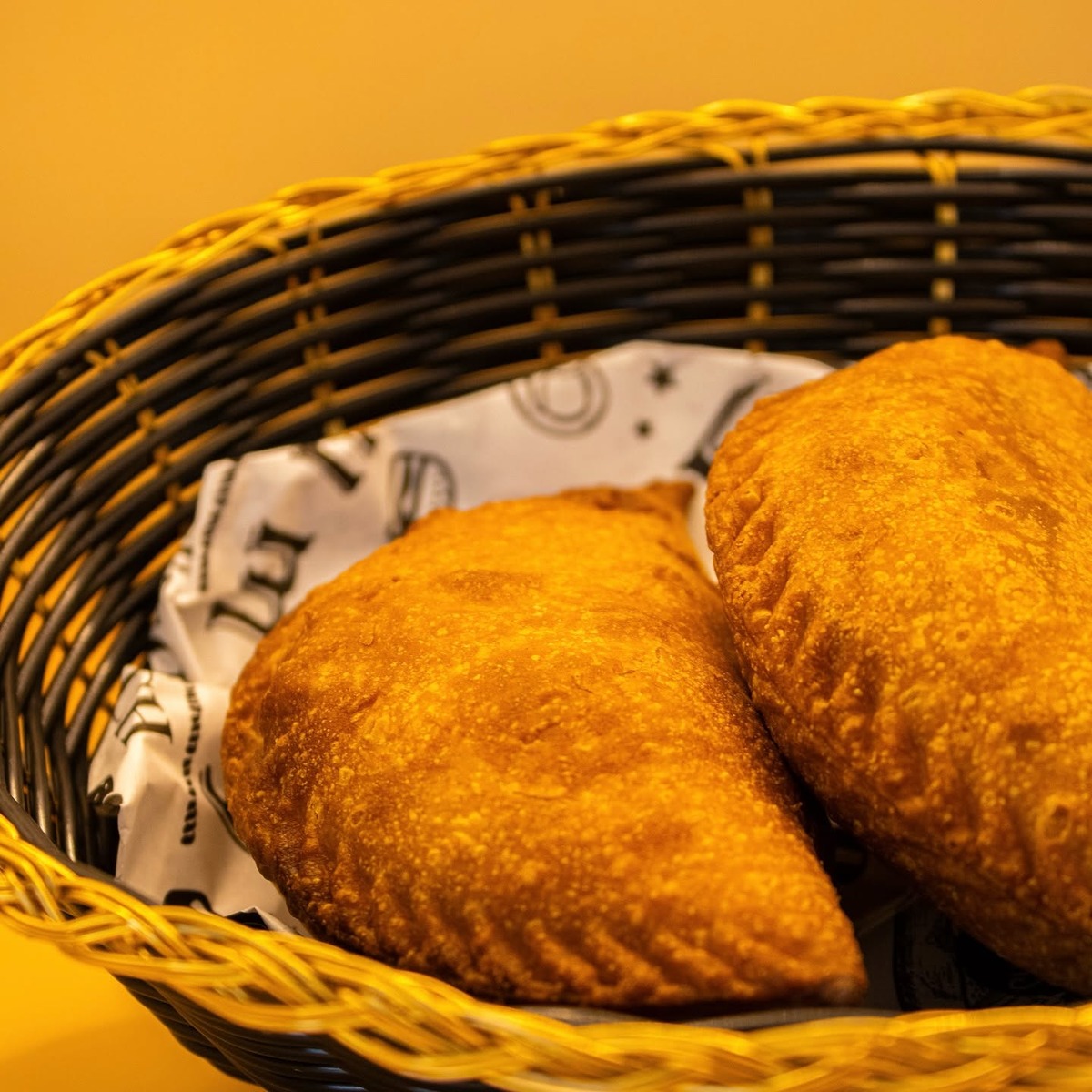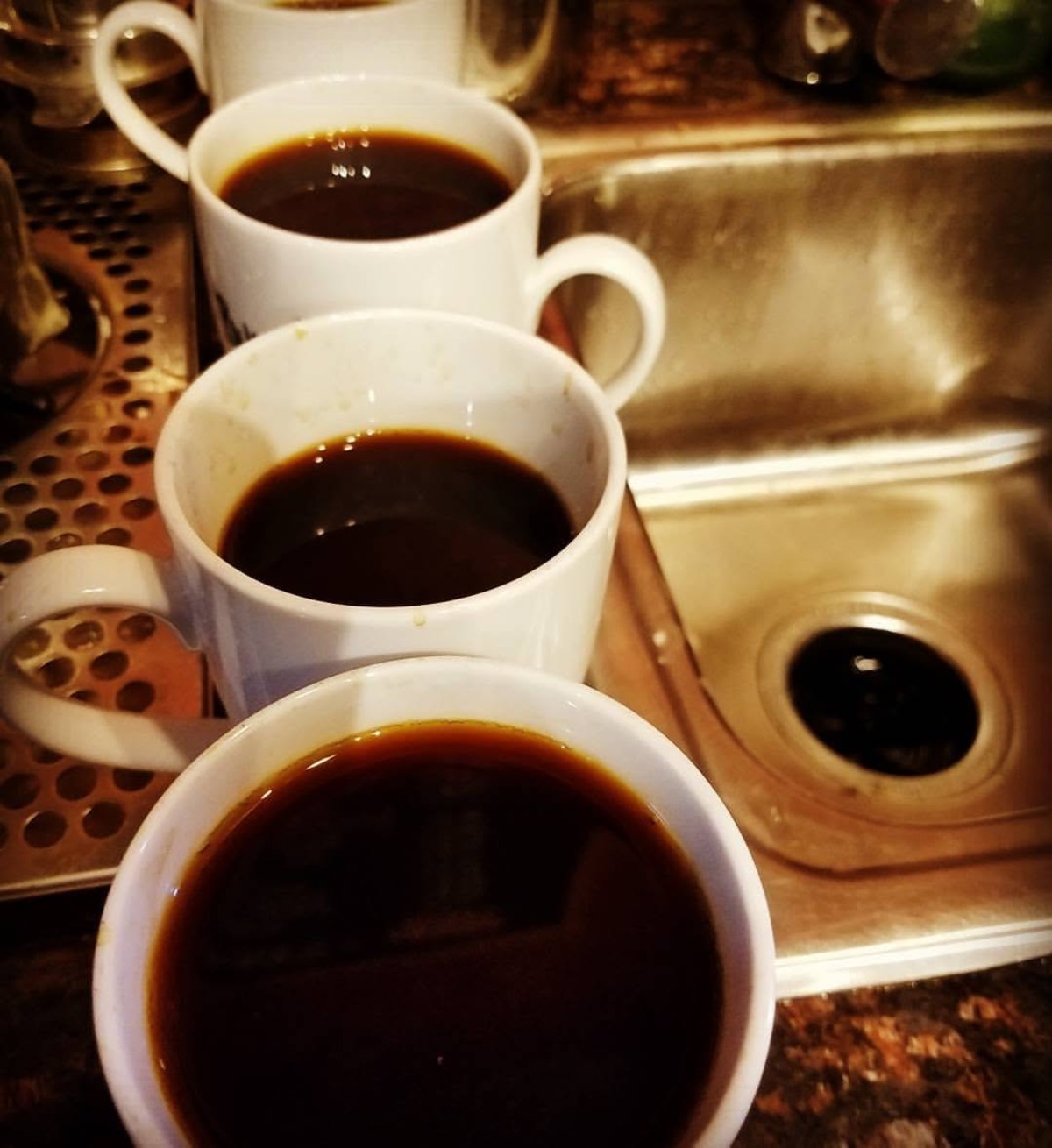
Exciting things are on the horizon for Roggenart European Bakery, Bistro & Cafe. The beloved chain is building a commissary kitchen in Columbia, Maryland, and it will help the concept launch new locations planned across Maryland and Virginia.
A press release pertaining to the incredibly important new addition to Roggenart’s arsenal states that the bakery will be breaking ground on the 9570 Berger Road commissary in the coming weeks. The 11,000 square foot space previously housed Hysteria Brewing Co. and according to the Roggenart team “will become the heartbeat behind everything we bake.”
Roggenart’s new commissary kitchen is part of a greater push towards further expansion. Co-owner Nem Popov was kind enough to provide What Now DC with some insight into this new chapter, saying: “The idea is much bigger than simply creating additional production space. We are building the operational backbone that will allow Roggenart to grow from a local bakery-café company into a much larger regional brand while still protecting what made us successful in the first place, scratch production, craftsmanship and product quality.”
The chain has set its sights on expansion-something that the commissary kitchen will help with considerably. Popov explains: “Our next major focus is continued expansion throughout the DC/Maryland/Northern Virginia market, and the new commissary will give us the production capacity to support that growth.”
The Roggenart team anticipates the commissary build-out taking 3 to 4 months. This new chapter promises to be an exciting one for the brand, however Popov points out that the bakery is staying true to its roots and its standards. “When I think about how this all started, it still comes back to something very simple. Roggenart began with a small kitchen, a handful of recipes, and a very clear belief that baked goods should be made properly, with time, technique, and respect for the process. In the early days, it was just about consistency and showing up every morning to do the work the right way, even when no one was watching. That discipline is really what allowed us to grow step by step, first into a neighborhood bakery, then into multiple cafés, and eventually into what we are building today.”
Popov offers a lovely summation of this next adventure, what it reflects on Roggenart, and what it means for the future, saying: “What has been most rewarding is seeing that the same principles still hold true even as the scale changes. The commissary, the systems, the expansion, all of it is really just a way to protect that original idea and make sure it can survive growth without compromise.”