A new study shows that renting has been cheaper than buying in the U.S. The study looked into the 50 major U.S. cities. Among the cities, Austin stood at the top, indicating that the rent and buying gap is the biggest in comparison to other cities.
Renting is Cheaper Than Buying, According to a New Report
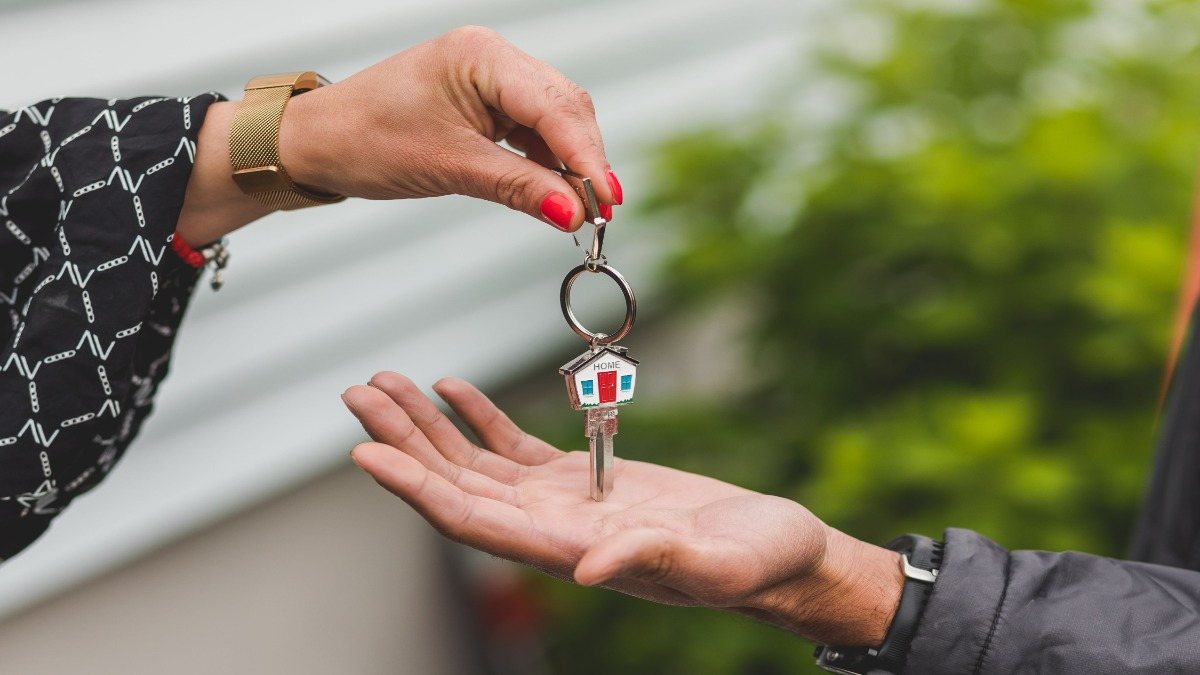
According to the Realtor.com March Rental Report, renting is currently cheaper than buying in all 50 major U.S. cities. While homeownership remains a dream for many, renting has helped them save toward it. The study shows that on average, renters save about $920 per month as compared to homeowners.
These savings can later be used to save for a down payment, which will make buying a home easier. Rent prices have been gradually decreasing for over two years now. However, buying remains expensive due to high costs, such as mortgage payments.
The study highlights that the gap between renting and buying is getting slightly smaller. But renting remains a more affordable option overall. It is especially true for high-cost coastal cities like San Jose, Los Angeles, and Boston. In some cities, buying can cost nearly 70% to 120% more per month than renting.
Austin Ranks Top on the List
The report by Realtor.com ranks Austin as the top-ranked U.S. city with the biggest renting and buying gap. The gap is huge, as the average rent in the city costs about $1,361 per month. Meanwhile, the cost to buy is about $3,080 per month.
This gap shows that renters save nearly $1,719 per month, making it one of the largest savings gaps in the U.S. It stems from high home prices and mortgage costs. At the same time, new apartments have ensured that rents are stable or even falling.
Following Austin are Seattle, Phoenix, Los Angeles, and Dallas. These cities all show a gap between $1,178 and $2,226. The data for this study come from the studio and one- and two-bedroom units advertised for rent on Realtor.com as of March 2026.
The report highlights a clear trend: renting continues to offer better affordability in today’s market. It is especially true in cities like Austin, where the savings gap is significant. This gives renters a practical opportunity to build financial stability and work towards homeownership in the future.