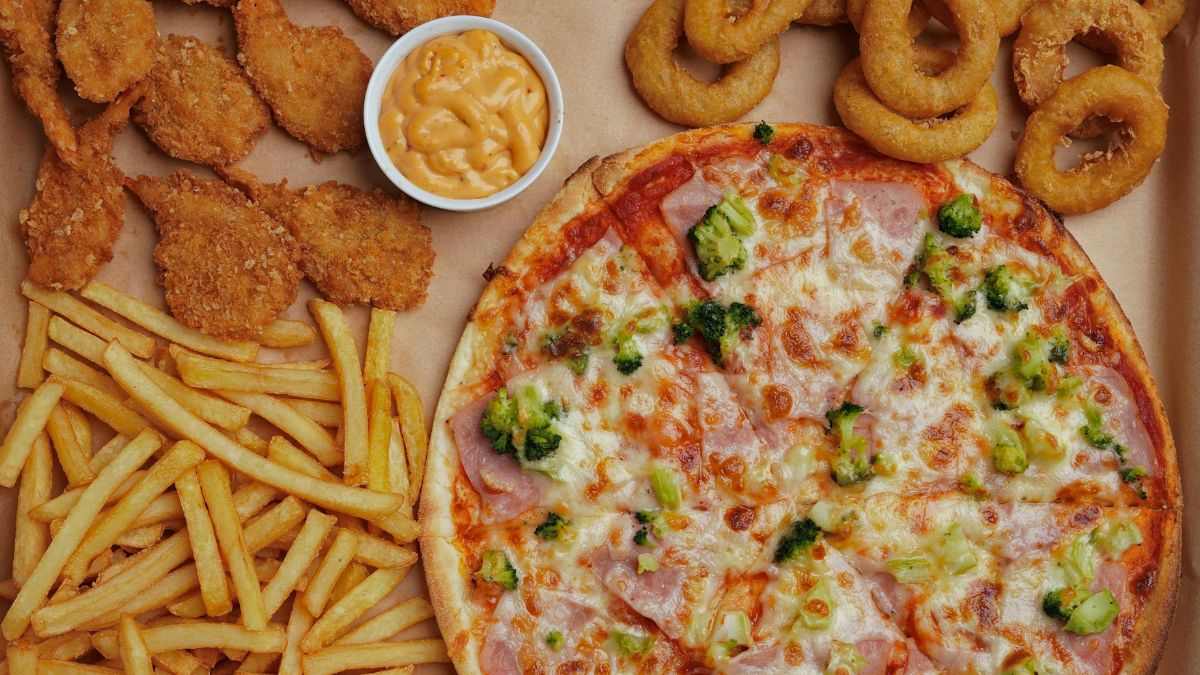
Environmental Working Group (EWG) reviewed ingredient information from 12 major fast-food chains and identified at least one chemical from its “Dirty Dozen” list on 11 of the menus. The analysis included Arby’s, Pizza Hut, Wendy’s, and nine other chains. Chipotle was the only chain where EWG did not identify any chemicals from its list.
11 Fast-Food Chains Had Chemicals EWG Considers Concerning
The recent analysis from the EWG has identified at least one chemical from its “Dirty Dozen” food-chemical list on the menus of 11 of 12 major fast-food chains reviewed. These findings come as questions continue around how food chemicals are evaluated and regulated in the U.S.
The 12 chains included in the analysis were:
- Arby’s
- Burger King
- Chick-fil-A
- Chipotle
- Domino’s
- KFC
- McDonald’s
- Panera
- Pizza Hut
- Subway
- Taco Bell
- Wendy’s
Artificial Food Dyes Were Among the Most Common Findings
Artificial food dyes were the most common additive found across the menus reviewed by EWG.
Except those of Chipotle and Subway, the organization found artificial dyes on every fast-food chain’s menu. The dyes were mostly identified in artificially flavored beverages, including sodas, milkshakes, and lemonades. However, the ingredient information was not available for every drink at every brand.
Sodium Nitrite Appeared in Processed Meats
This was another frequently identified chemical, which appeared on more than half of the menus reviewed.
EWG identified sodium nitrite in foods from several chains, including Pizza Hut, Domino’s, McDonald’s, Subway, and Wendy’s. The preservative is mostly used in processed meats, including ham, pepperoni, and sausage.
Titanium Dioxide Was Found on About Half of the Menus
According to EWG, titanium dioxide was identified in Taco Bell’s vanilla creamer, which is used in some of its dirty sodas, Refrescas, and coffee drinks. The organization cited European regulators’ conclusion that titanium dioxide is no longer safe for use as a food additive.
Artificial sweeteners were another common finding in the analysis. Aspartame, sucralose, and more ingredients were seen in some of the “zero sugar” beverages reviewed by EWG.
The next name on this list is TBHQ, which is a preservative found in certain foods by Domino’s. It was also identified in the crusts, breadsticks, and chicken wings of Pizza Hut.
Inside EWG’s Latest Review
EWG’s findings are based on its own Dirty Dozen framework, which identifies food chemicals the organization considers concerning due to potential health and safety risks.
According to the organization, at least one of its listed chemicals appeared on nearly every menu reviewed. McDonald’s was identified as using the greatest number of EWG’s top chemicals of concern somewhere on its menu.
Subway and Panera appeared to use comparatively fewer chemicals of concern than many of the other chains reviewed. Chipotle was the only chain where EWG did not find any one of its Dirty Dozen chemicals.
The analysis does not establish that customers are consuming harmful levels of any particular chemical. In addition, the review itself does not determine that any restaurant is violating food-safety regulations.
However, the analysis was based on ingredient information publicly available online and was not a laboratory analysis of food samples. EWG also noted that fast-food chains are not required to make all of their ingredient information public.
What the FDA Says About Food-Chemical Safety
The U.S. Food and Drug Administration evaluates the safety of substances used in food as per the factors that include the substance itself alongside the conditions and amount of exposure.
The FDA’s framework for generally recognized as safe, or GRAS, substances require a certainty that the substance is not harmful under its intended conditions of use. The presence of a chemical or additive in food does not automatically mean the food is unsafe. Its safety also depends on how much is consumed and how it is used.
The FDA also provides information on food additives, GRAS substances, and chemicals currently under review as part of its food-safety oversight.
EWG Calls for Changes to Food-Chemical Oversight
The recent findings are based on the organization’s list of food chemicals it considers a concern because of possible health and safety risks. At least one of these chemicals was found on nearly every menu reviewed. McDonald’s had the most, while Subway and Panera had fewer. Chipotle was the only chain where the organization did not find any of the chemicals on its list.
The analysis used ingredient information available online and did not test food samples in a lab. EWG also noted that fast-food chains do not have to list all their ingredients. The findings do not show that customers are consuming harmful amounts of any chemical or that any restaurant broke food-safety rules.